
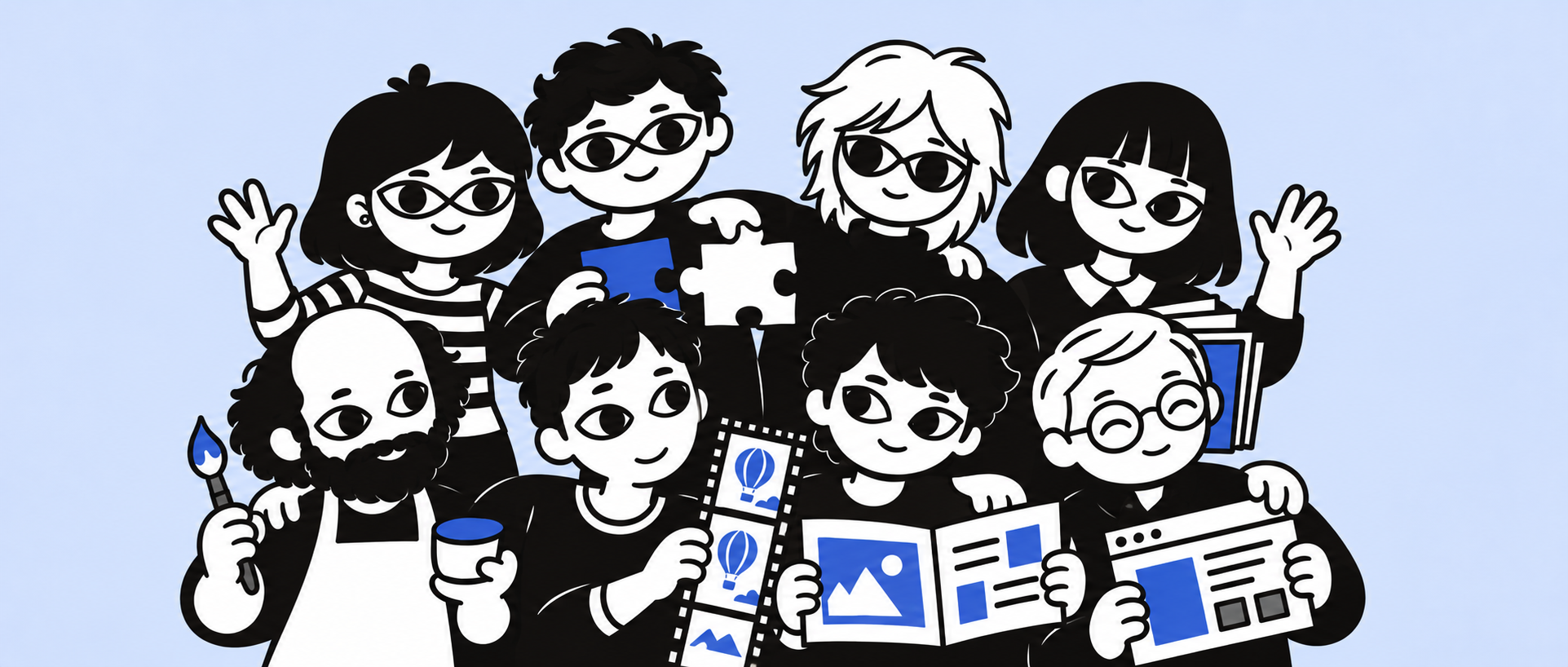
For the past few months, working with my seven AI agents has felt a lot like playing The Sims. I give everyone a job, assign responsibilities, build their little world and check on what they're doing. Except instead of worrying whether my Sims have eaten, showered or accidentally set the kitchen on fire, I'm checking whether one of my agents has messed up a product label, made a jar twice the size of a human head or decided to redesign something I specifically told it not to touch.
And just like The Sims, the moment I leave them alone, someone starts doing something completely different from what I asked.I thought I was building a team to make my life easier. Somehow, I've ended up with seven digital employees who need constant supervision. Of course, I'm exaggerating a little. They're actually quite useful, which is why I keep working with them. But the whole experience has been both fascinating and occasionally ridiculous. The funny thing is that I never intended to build a little AI workforce in the first place.
It started with a simple problem I kept running into at work. As a designer, there's a lot of repetitive production work that comes after the exciting part of developing an idea. Once the creative direction is established, there's the process of adapting everything into different formats, languages, markets and platforms. And just when you think you're finished, another tiny correction comes along that somehow affects five other files. Don't get me wrong, I enjoy designing. What I don't particularly enjoy is making the same adjustment twenty times or discovering that a translated headline has completely ruined the layout I spent so much time perfecting. So I started experimenting with AI to see how much of this repetitive work I could hand over without losing control of the design itself. What I didn't expect was how quickly that small experiment would turn into something much bigger.
How it all started
It actually started on 5 July, when I began experimenting with Codex to see whether I could automate some of my figma production work. Before that, I'd already been playing around with a plugin I built with the help of Claude. My initial goal was pretty straightforward. I wanted to make copy localisation easier and reduce those annoying little mistakes that happen when you're adapting the same design into multiple languages. I was exploring how to connect AI to Figma using MCP and a local plugin. At that point, I wasn't thinking about building an entire system. I just wanted to see whether I could create something useful for my everyday work.
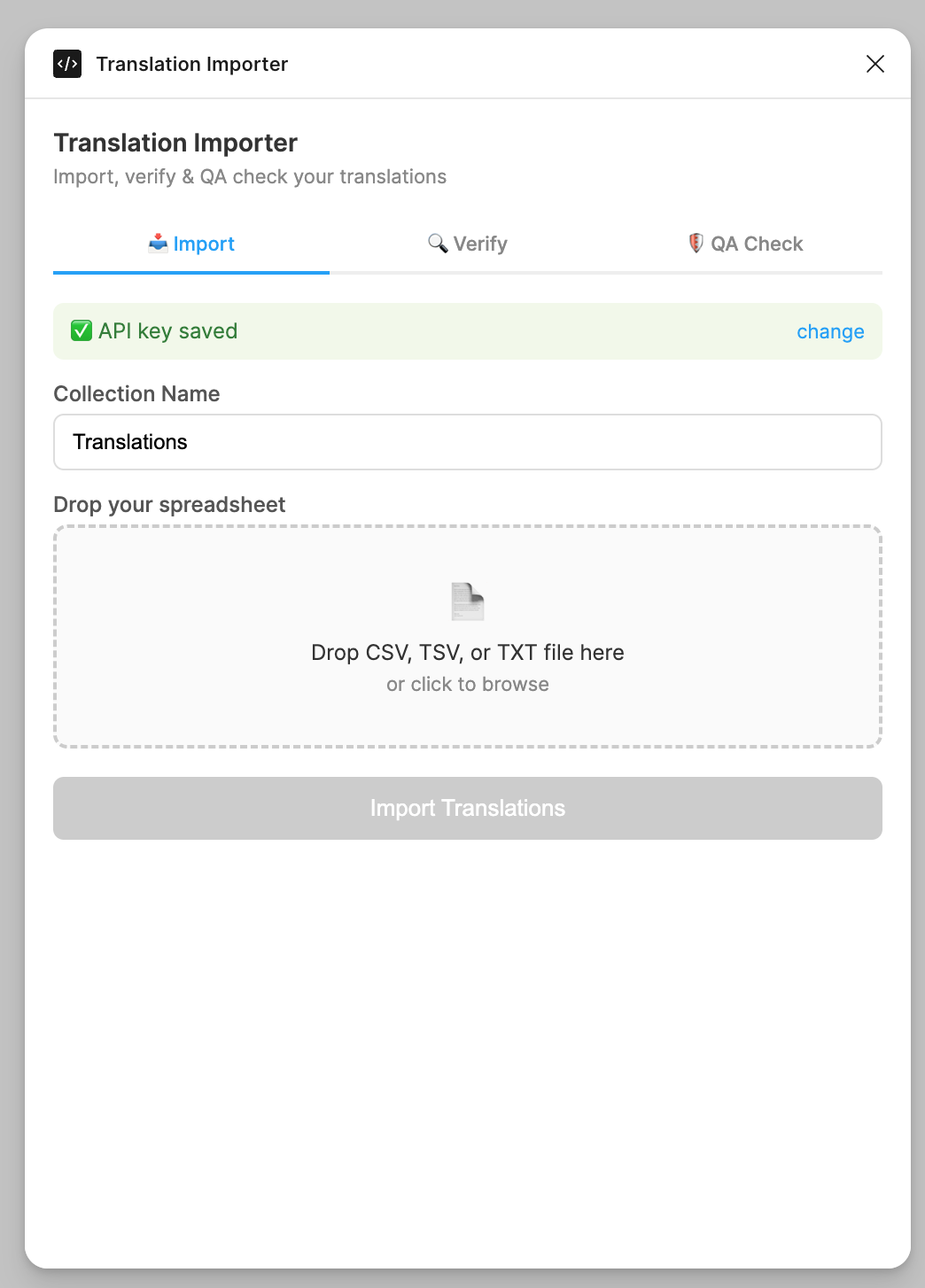
The plugin I built with Claude.
Translation Importer helped me bring campaign translations into Figma and check the designs against the source copy.
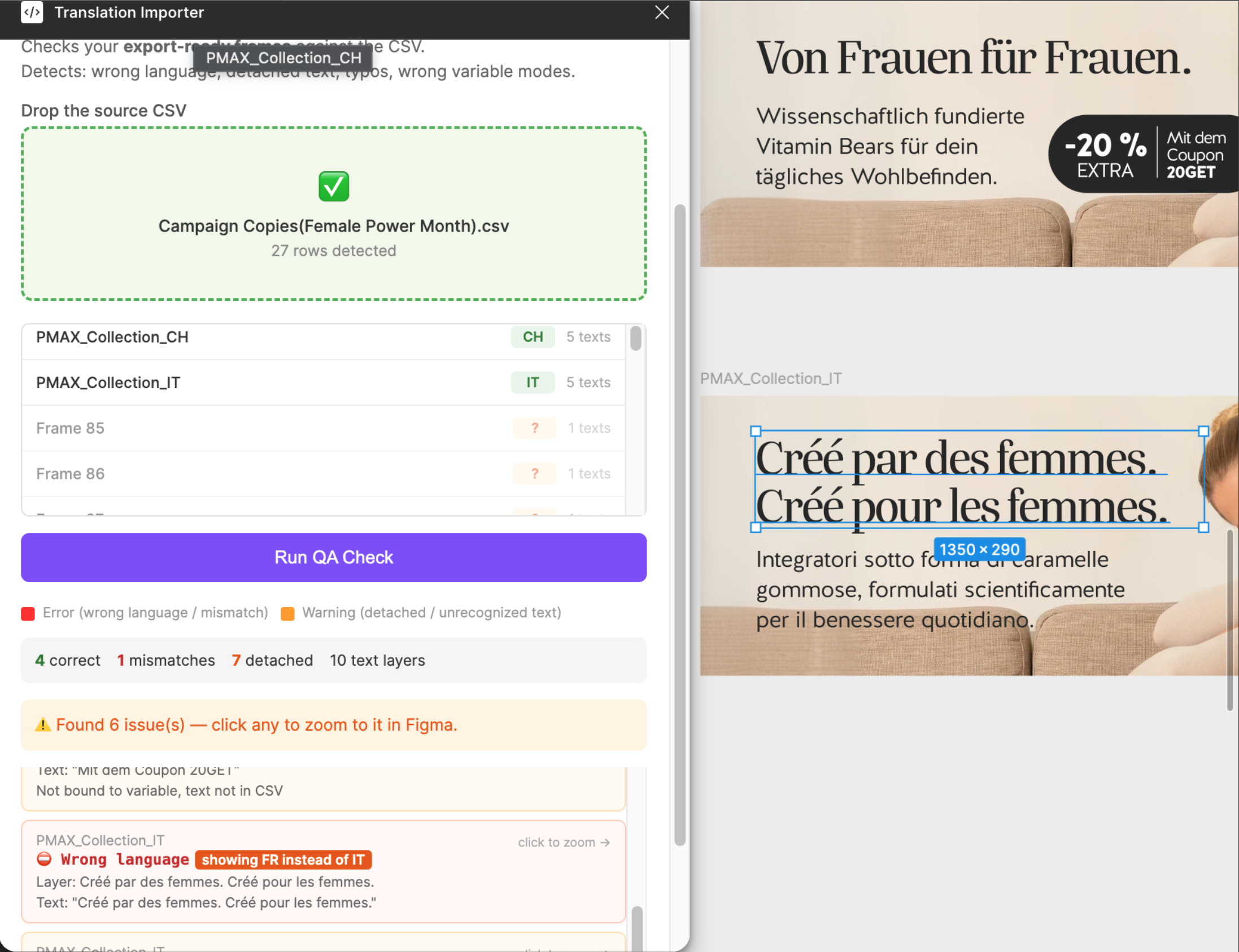
But one experiment quickly led to another. Came 9 July, my Figma localisation agent already had a name: Andy Warhol. And somehow, on that same day, I decided I also needed Marie Kondo to help organise my image library. Later that evening, I was already documenting another role, a forward-deploy engineer who would eventually become Forge. Although I have to give credit where it's due, this one was actually my partner's idea. 😛 There, I've officially acknowledged my partner’s contribution on this.
On 10 July, I was talking about Forge, Andy Warhol, Marie Kondo and Cézanne as parts of one system. I wanted each of them to have their own responsibilities, follow project instructions and pick up where they left off, even when I started a fresh session. All of that happened within five days. Five days from experimenting with figma automation to planning a small team of AI agents.
And the funny thing is, I don't remember ever sitting down and deciding that I needed an AI team. I would encounter a problem, wonder whether an agent could handle it, and somehow end up creating another one. So my solution to having too much work was to become a manager.
What started with copy localisation gradually expanded into image management, product imagery, motion design, portfolio organisation and eventually website development. And that's how I ended up with seven agents, each with their own responsibilities and an increasingly long list of things they're not allowed to change.
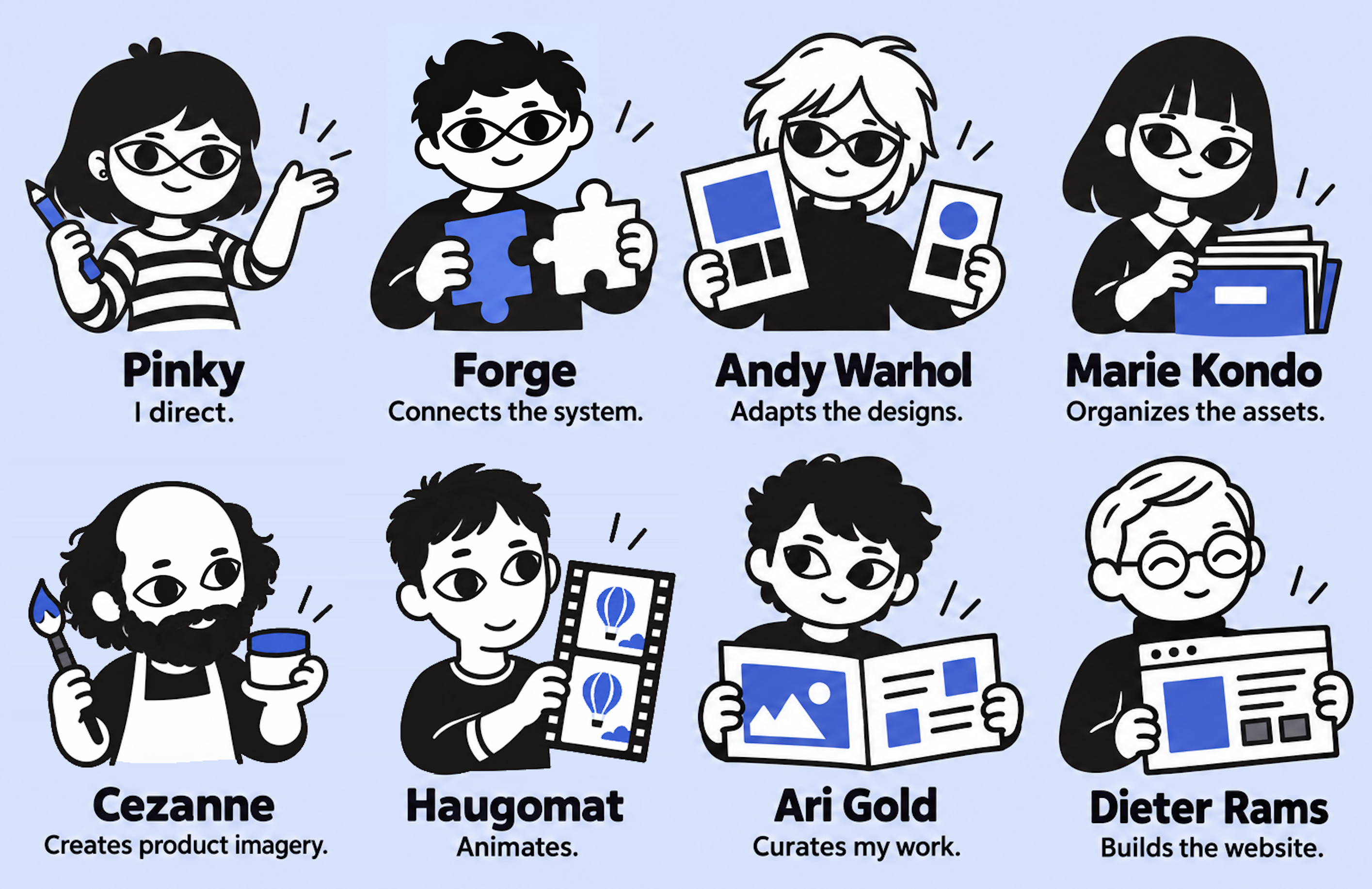
Meet my little team
Of course, I had to give them names. I could have gone with something boring like Design Agent 01 or Image Management Agent, but where's the fun in that?
Seven agents. One human making the final call. Hover or tap a card to meet them.
It's a slightly ridiculous lineup, but it makes sense to me. Okay, before anyone imagines seven little people independently working away somewhere inside my computer, that's not quite how it works. I've given each agent a specific role, instructions, project files and references so I can return to a task without having to explain everything from scratch. They don't magically know how I like things done, and they certainly don't always get it right.
What surprised me most was how much I needed to understand my own working process just to teach them what to do. There are so many decisions I make as a designer without consciously thinking about them. I can immediately tell when a product looks too big, when a headline feels awkward or when something is technically aligned but still looks wrong.
Now imagine having to explain all of those things to someone who takes your instructions very literally and occasionally decides to be creative when you specifically asked them not to. That has been quite an experience.
The simplest tasks are not always simple
Take localisation, for example. You would think changing an email design from German to Italian would be straightforward. Replace the text, adjust a few things, export, and you're done.
Except it doesn't really work that way. A headline that fits perfectly in German might become much longer in Italian. The spacing changes, the visual hierarchy shifts, and suddenly the layout doesn't look the same anymore.
Sometimes a small adjustment is enough. Other times, I have to rethink how the copy fits without compromising the original design. And occasionally, when I ask the agent to change one thing, it decides to be extra helpful and changes something else I never asked it to touch.
Which is why this has probably become one of my most repeated instructions:
"Please don't change anything else. Lock the image. Lock the size. Don't reinterpret it."
I've had to explain that if an offer was designed to fit on one line, the adapted version should still feel visually consistent. That icons in the original design are not optional decorations. And that translating an email does not mean translating the text printed on the product packaging.
To me, these things seem obvious because they're part of how I work. But an AI agent doesn't necessarily understand the reasoning behind those decisions unless I explain it. At first, this was frustrating. I thought I was saving myself time, yet here I was writing increasingly detailed instructions about things I would normally just do without thinking.
But eventually, I started seeing the value in it. Every time I figured out how to explain something properly, I could document it and use it again. Instead of repeatedly correcting the same type of mistake, I could turn those decisions into production rules that Andy could refer to for future tasks.
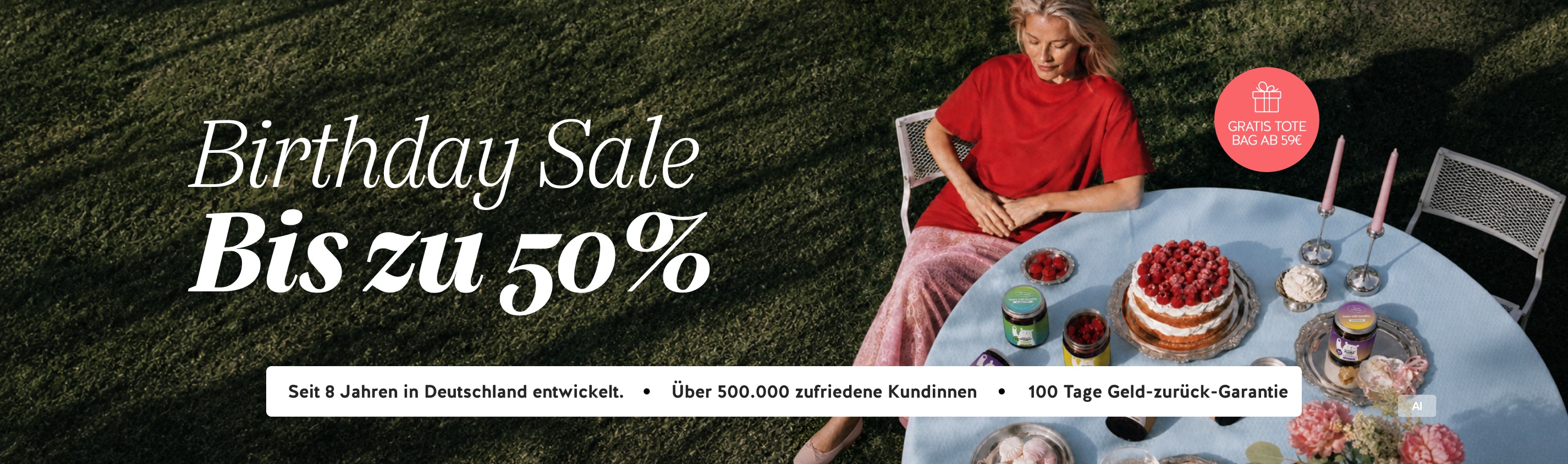
The Bearsday banner collection is a good example of how this works in practice.
I start with the original designs, and Andy helps duplicate and localise the banners across the required languages and formats. I then review the results to make sure the copy fits, the visual hierarchy remains consistent and nothing important has changed.
What begins as a reference design can grow into a much larger working set of desktop and mobile versions across different channels. The original artwork remains the reference, while Andy helps with the repetitive production work.
It doesn't mean I can hand over an entire campaign and expect everything to come back perfect. I still need to check the work, but at least I'm not necessarily starting every adaptation from zero.
Andy Warhol · Banner production
Watch one design become a set.
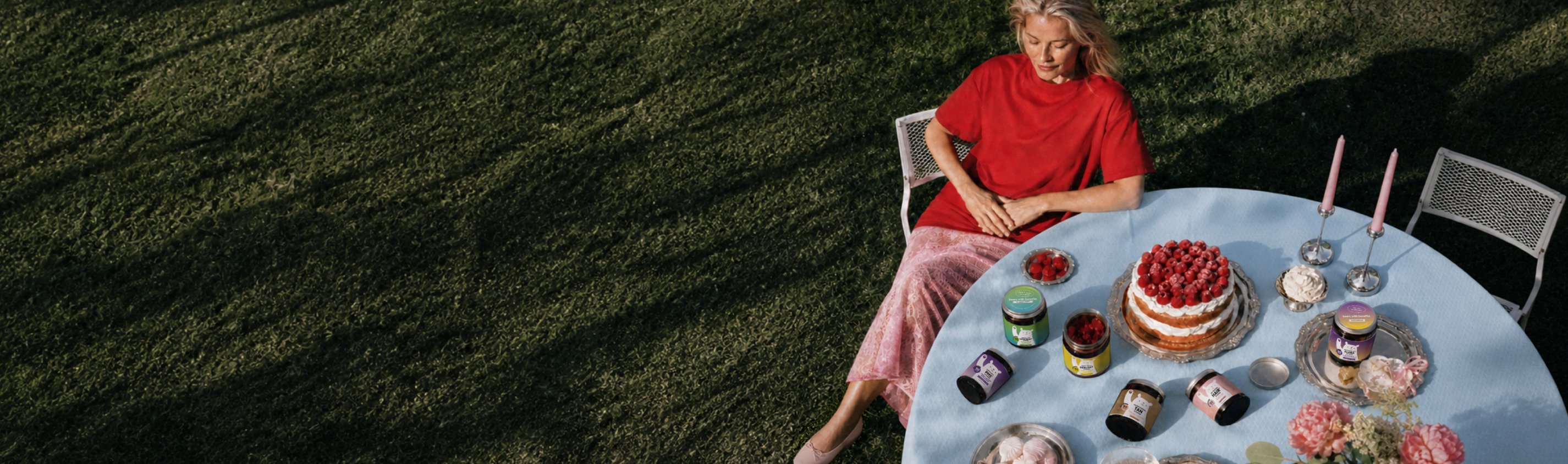

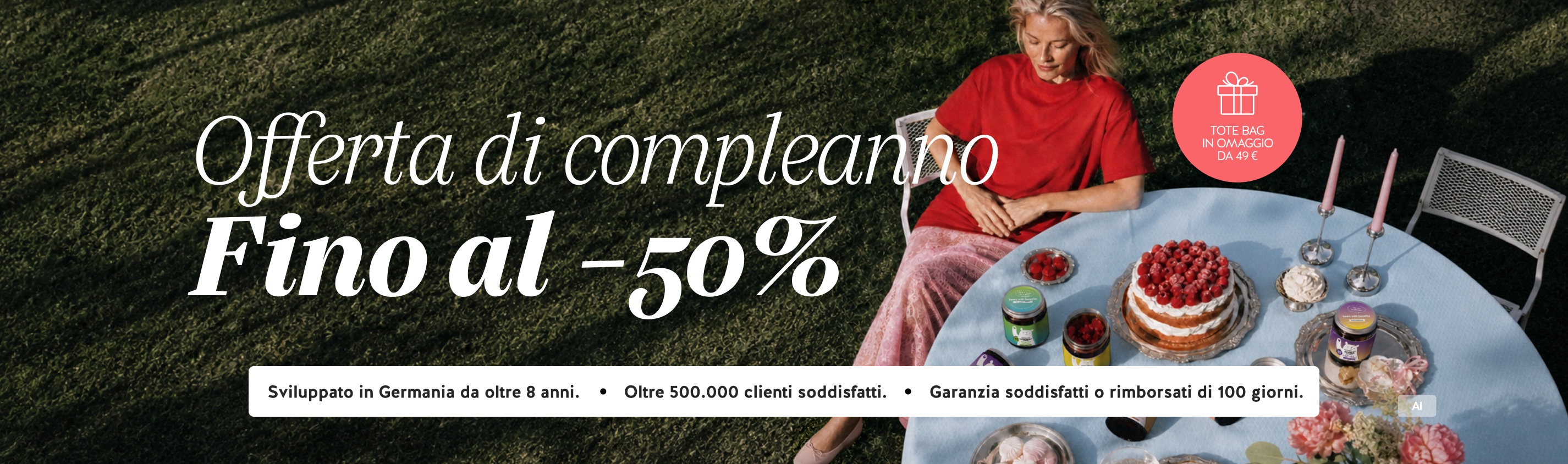
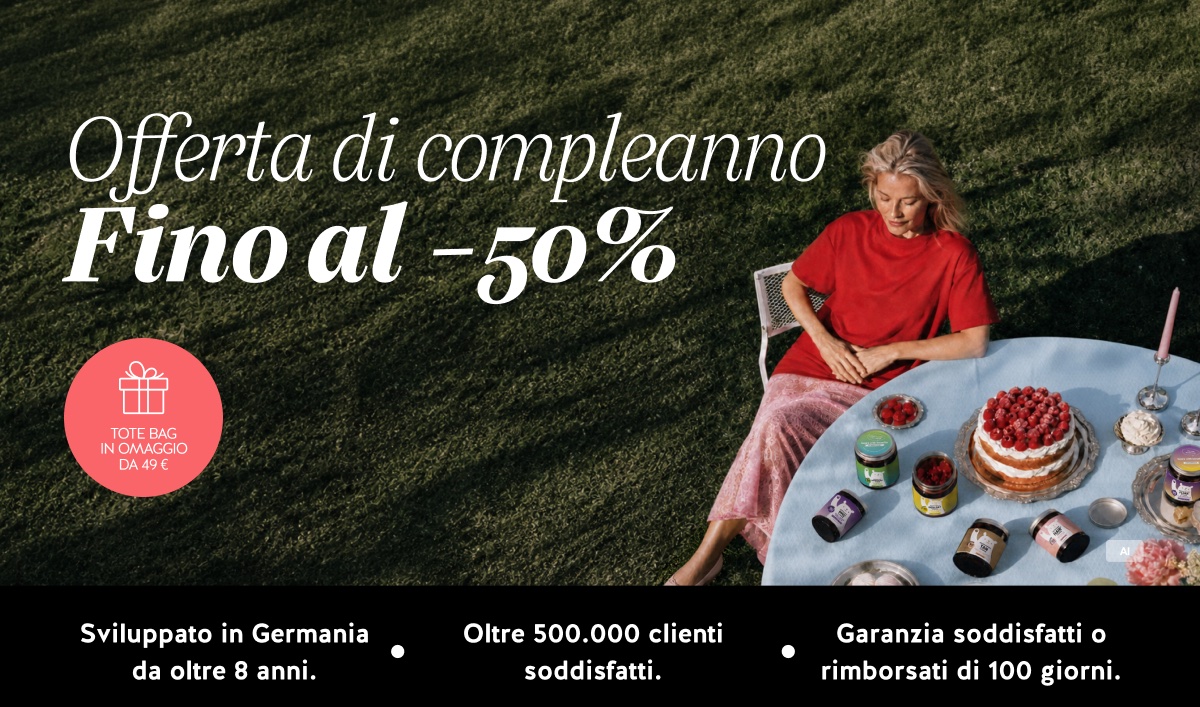
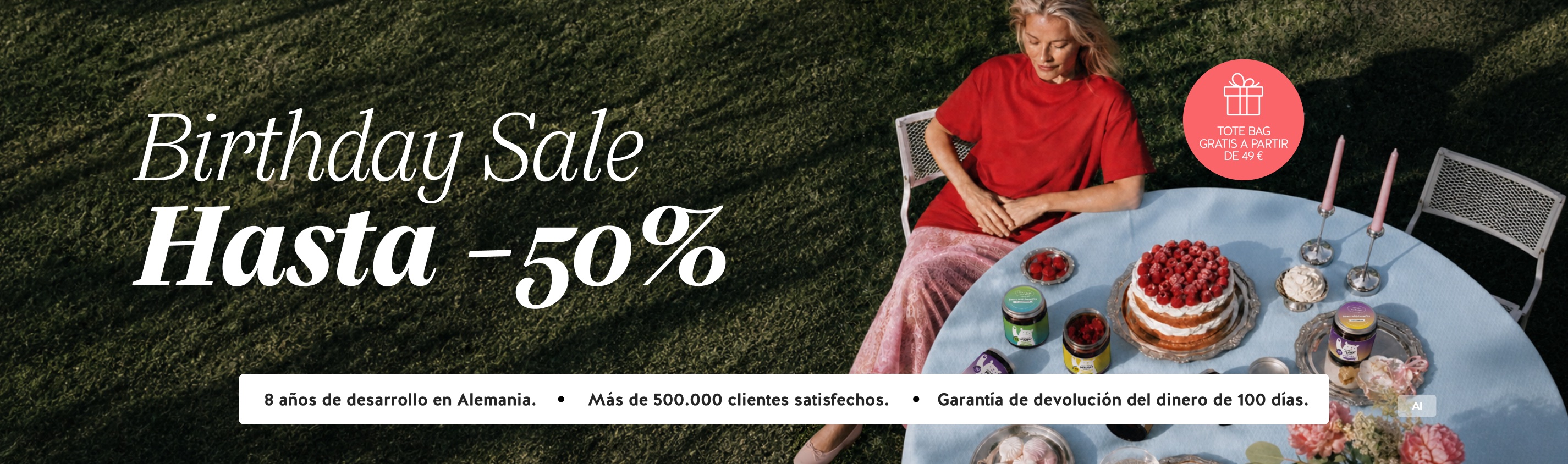
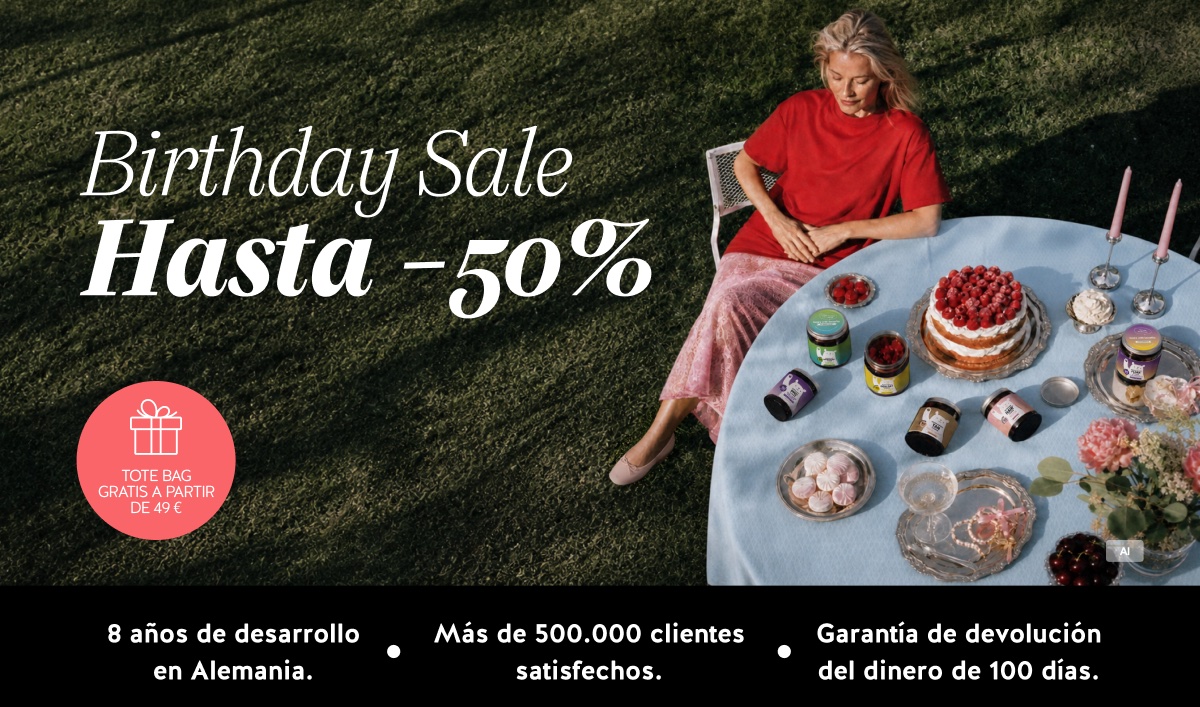
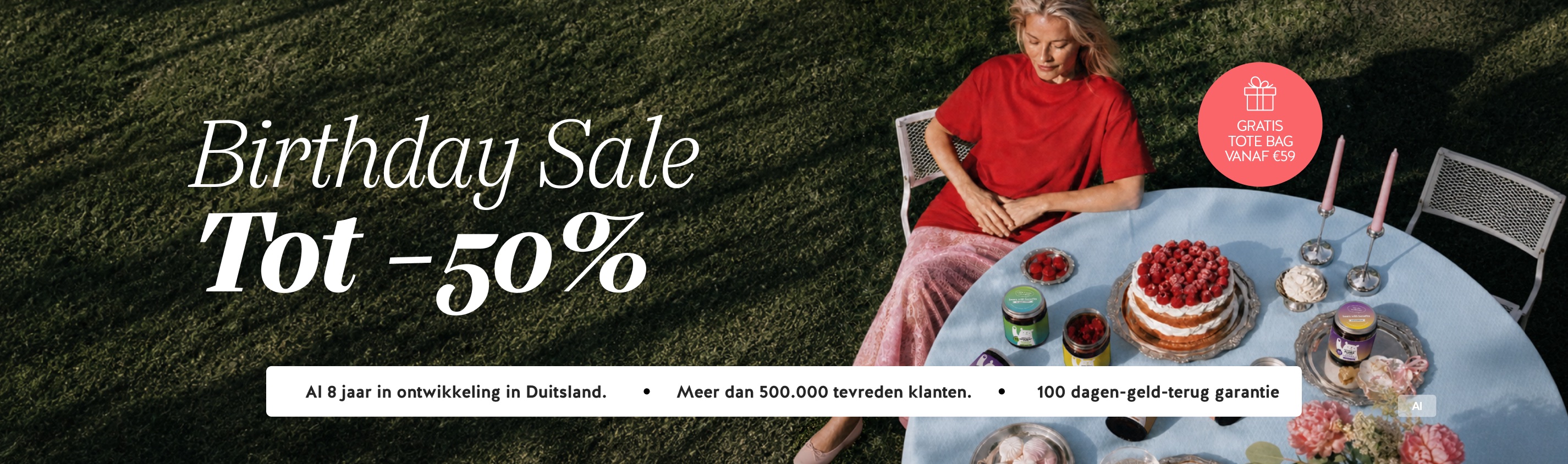
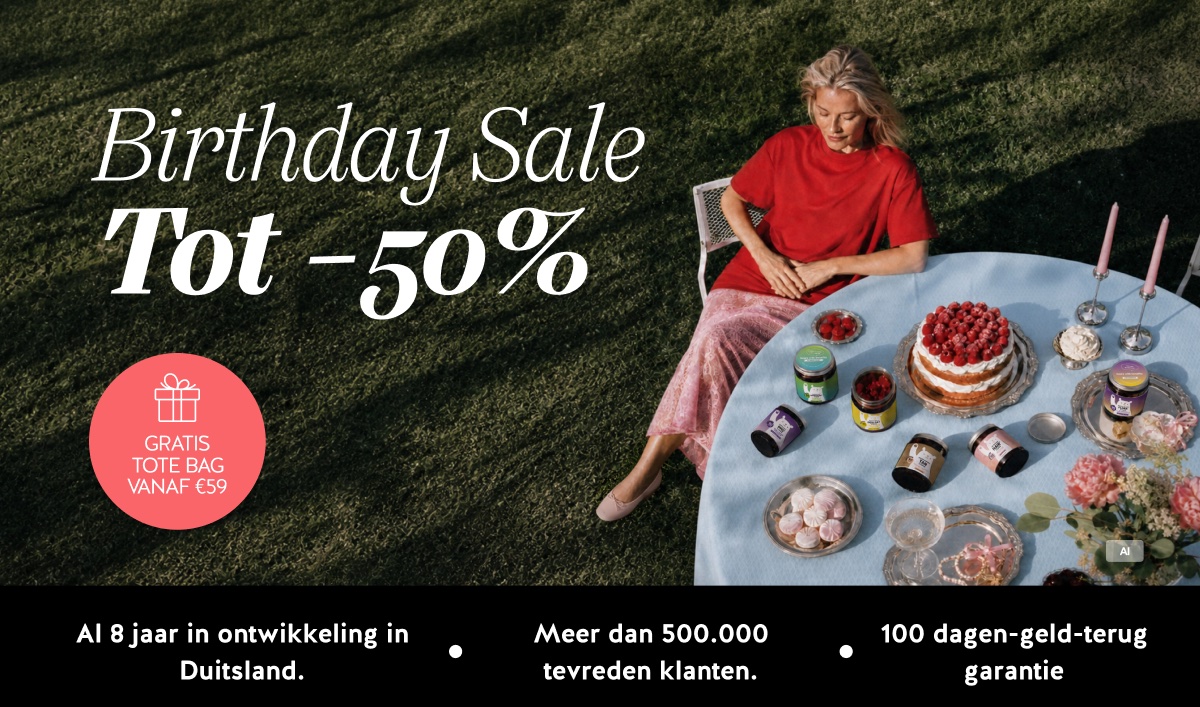
THE BRIEF · SIMPLIFIED
Adapt the reference banners for the required languages and formats.
I also give Andy handoff references with strict production rules for each project. The way I brief a task depends on what needs to be done and who's handling it. There isn't one recipe prompt that works for everything.
- Read the reference pair
- Duplicate desktop + mobile
- Apply the localized copy
- Hand back for my review
Reference selected
Reconstructed workflow with actual Figma exports and a deliberately simulated layout mistake. Eight banners are shown close up; the full working-set count is below.
- Collection
- 16
- Homepage
- 16
- CRM
- 36
- Performance
- 36
- PMAX
- 34
- Influencer
- 37
View frame-by-frame breakdown
Collection 16
Homepage 16
CRM 36
Performance 36
PMAX 34
Influencer 37
Each tile represents one counted frame. This is the size of the campaign working set, not a claim that Andy created every frame in one operation.
Andy's work is just one example. The other agents have taught me different lessons, particularly when it comes to understanding what AI should and shouldn't be responsible for.
With Cézanne, for instance, I've learned that not everything needs to be generated. Product imagery is one of those areas where I have very little room for interpretation. The product needs to look like the actual product. The jar proportions, label dimensions, colors and packaging details have to be accurate.
Of course, Andy isn't the only one who's given me headaches. Cézanne can create beautiful product imagery with lovely lighting and composition, only to give me an elongated jar or a label that looks nothing like the original. Marie Kondo, on the other hand, once left visually identical photos in my library because the files were technically different. These might sound like small mistakes, but they can turn what should have been a time-saving task into more work. I've learned that sometimes it's easier to fix things manually than to keep asking AI to get them right. But nothing has tested my patience quite like Haugomat and a bunch of glossy balloons.
An epic fail
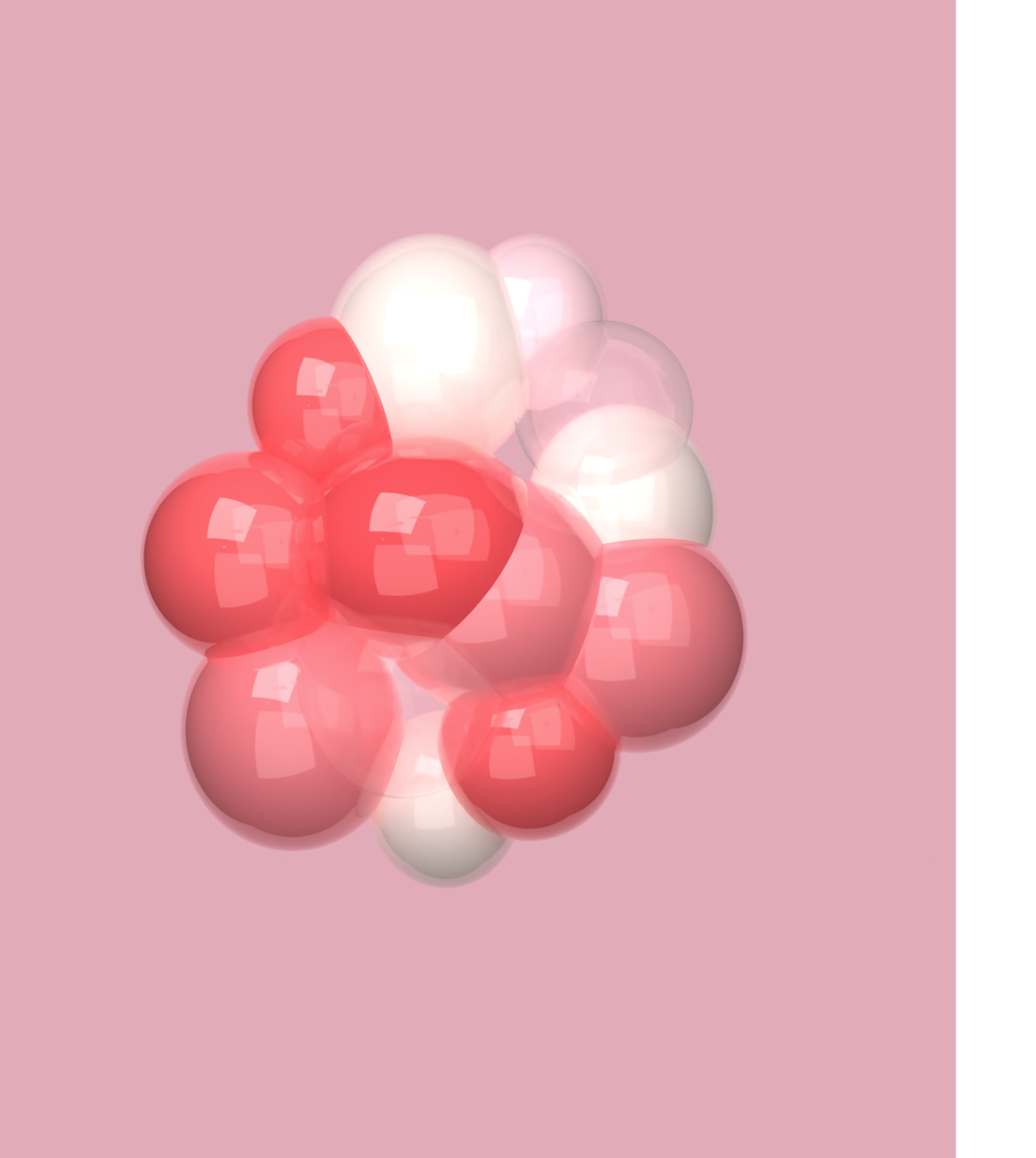
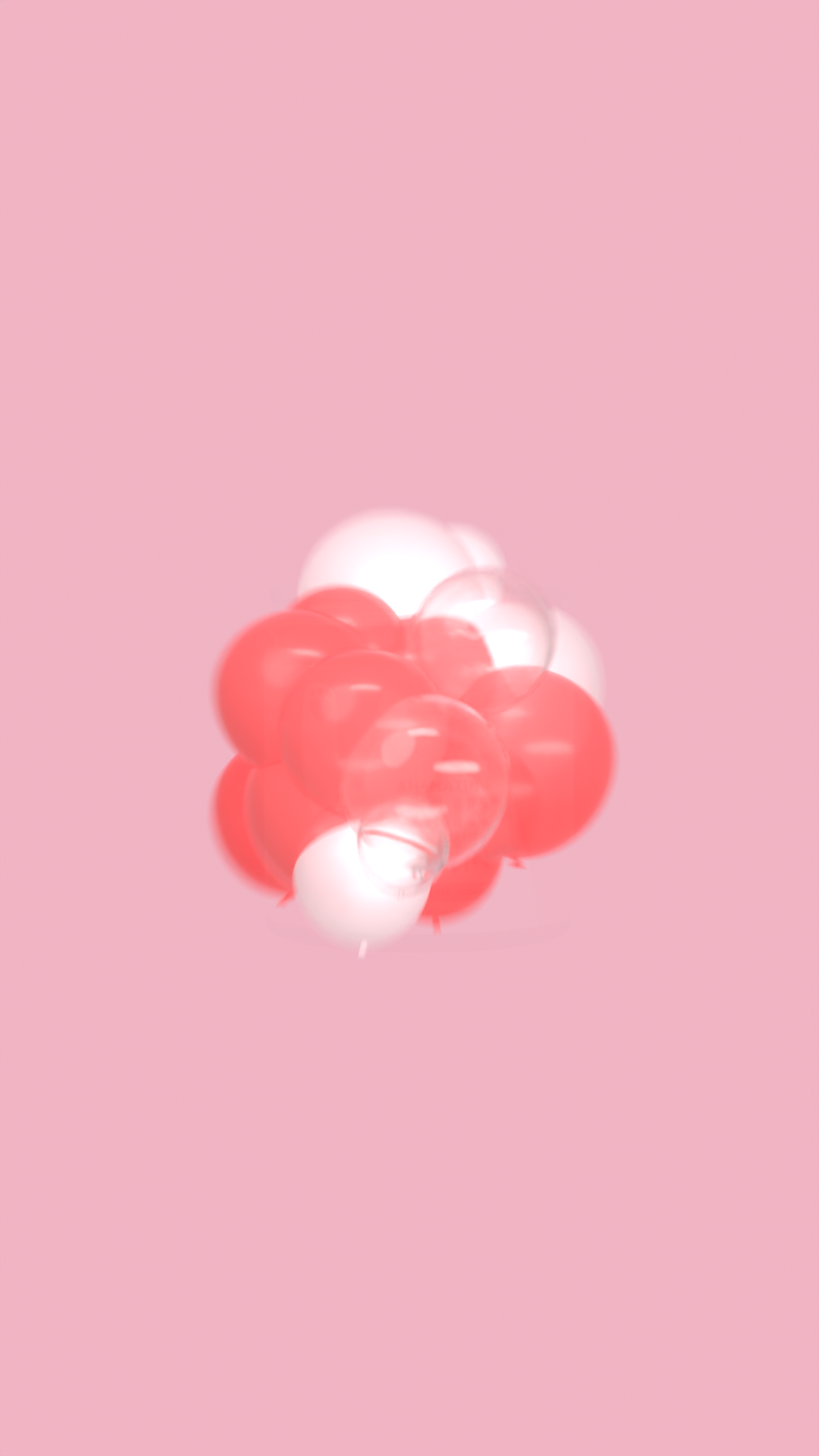
For Bearsday, I had this idea of creating an animation where glossy balloons would float together, compress, fuse and eventually transform into a product jar. In my head, it looked amazing. I imagined this beautiful, seamless transformation where the balloons would gradually become the jar, almost as if one object were physically turning into another. And because this was for an actual product, the final jar still had to look exactly like the real thing. Sounds simple enough, right? Well, apparently not.
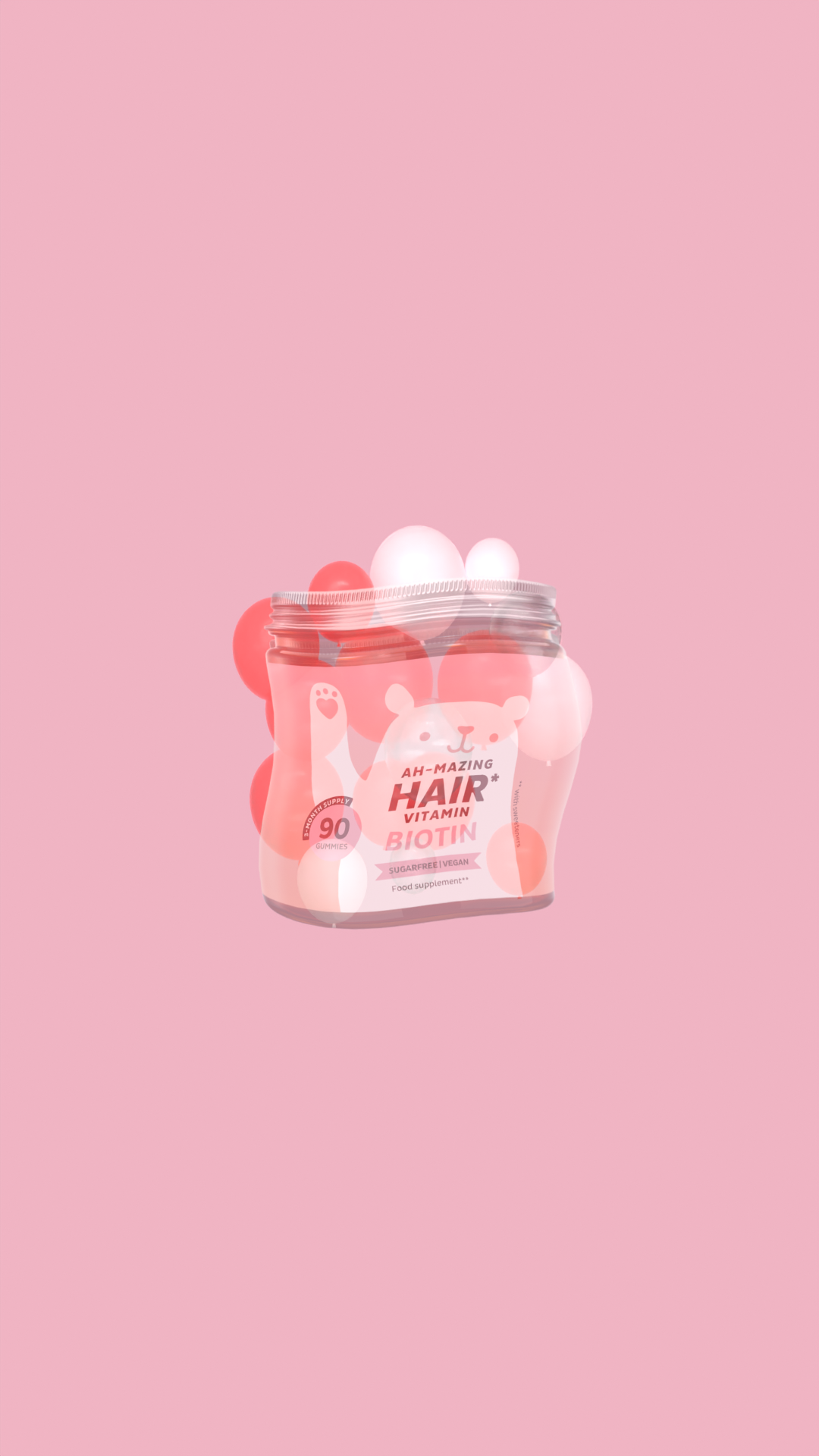
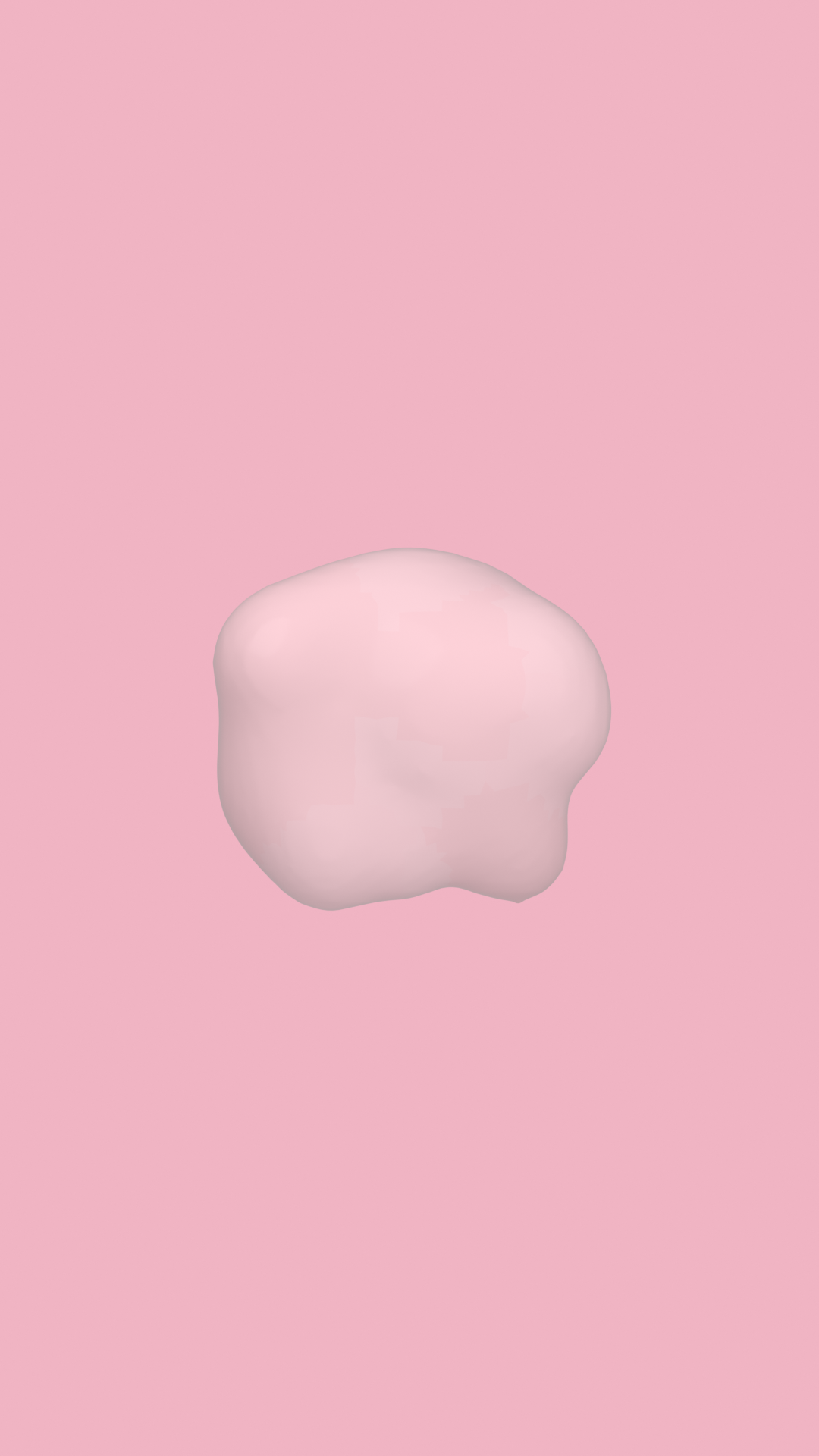
We tried different approaches. Sometimes the balloons would gather nicely, but then suddenly disappear and get replaced by a jar. Other times, the packaging would wrap itself around the balloons, leaving the whole thing looking like a very strange gift-wrapping experiment. Then there were the shapeless blobs that appeared somewhere between the balloons and the product. I don't even know what those were supposed to be. The problem was that I didn't want a transition where one object simply disappeared and another appeared in its place. I wanted to see the transformation actually happening.
Every time we made progress with one part of the sequence, another part would fall apart. We'd break down the animation, try a different approach, review the result and attempt to put everything back together again. And the more specific I became with my instructions, the more I realised how complicated the whole thing actually was. At some point, I wasn't just asking for motion design anymore. I was practically asking AI to defy the laws of physics while maintaining perfect product accuracy. The Sims god complex was developing nicely.
Rejected
First full rework
The full sequence was there, but the opening still didn't deliver the balloon-to-product transformation I imagined.
Partial progress
Just get the balloons right
The gathering motion was finally looking okay. Unfortunately, getting the balloons to become a jar was still an entirely different problem.
Rejected · V1
Now make them become the jar
The balloons disappeared and a jar appeared. More of a swap than an actual transformation.
Rejected · V2
Keep the balloons visible
This time, the packaging wrapped itself around the balloons. They still looked like separate objects rather than one continuous transformation.
Rough shape test
Try a different approach
We explored another morphing approach to create a more continuous change of shape. It was still a rough proof of concept.
Full sequence trial
Put it all together again
The gathering motion, morphing experiment and exact jar artwork were combined into another full video. It was a version for review, not a final approved animation.
Pause on the frames and it gets worse.
These are checkpoints from different attempts, showing some of the results I had to inspect, explain and send back.
Eventually, I called it off.
I wanted one continuous transformation from balloons into the real jar, and after all those attempts, we still weren't getting there. We were spending too much time trying to fix the experiment than it was worth. I could have continued asking for another version, but there was no guarantee that the next one would finally solve the problem. So I stopped pursuing that direction. Just because AI can keep generating another attempt doesn't mean another attempt is a good use of my time. Sometimes knowing when to stop is also part of the creative process.
Looking back, I don't think the idea itself was necessarily bad. I still think it could have looked amazing if executed properly. But perhaps the approach I was using simply wasn't suitable for what I wanted to achieve. And that's another thing I've learned from all this experimenting. Having a clear vision doesn't automatically mean the tools can execute it, no matter how detailed your instructions are.
Sometimes the tool has limitations. Sometimes the instructions need improvement. And sometimes you just have to accept that an idea isn't working and move on. Which probably makes everything I've said so far sound like a fairly convincing argument against using AI agents.
But here's the funny thing…
The part that genuinely excites me
Despite all the corrections, strange results and failed experiments, there are still moments when I look at something we've created and think, this is actually pretty amazing. And funnily enough, Haugomat, the same agent behind my balloon disaster, has also been responsible for some of the experiments that genuinely impressed me. What I've realized is that Haugomat's strength is in motion design, GIFs and animations, rather than complex 3D work. Once I stopped asking it to perform impossible balloon transformations and focused on what it was actually good at, things started making much more sense.
One example is a jar carousel animation, where I could adjust the movement, change the timing, remove elements and create more space for text. We also worked on turning an animated infographic into localised GIFs, video exports and an editable static version in Figma.
Of course, there were still corrections to make. Text sharpness, file sizes and timing all needed attention. But unlike the balloon experiment, these were things we could actually refine without having to rethink the entire approach. What impressed me most was that I wasn't just getting a finished animation. I had the source files and renderer, which meant I could revisit the project, make adjustments and adapt it for different markets without starting from scratch. And I think that's what excites me about working with these agents. It's not about expecting them to do everything, but discovering what they're good at and finding ways to make the most of it.
People often talk about AI making things possible that weren't possible before. I don't think that's entirely accurate. A lot of these things have always been possible, especially for someone with the right technical knowledge.
The difference is that they weren't always realistic for someone like me to take on alone. I'm a designer. I know how to develop ideas, create visuals and use creative tools, but I don't necessarily know how to build every tool or write every script that could make my workflow easier. And even if I wanted to learn everything, there are only so many hours in a day.
Now I can explore ideas I probably would have left sitting in my head because they seemed too technical or time-consuming. I can experiment with something, see whether it works and decide if it's worth developing further. That doesn't mean I suddenly know how to do everything. And as the balloon experiment has clearly demonstrated, being able to attempt something doesn't guarantee that it'll work. But there's something exciting about having more freedom to explore ideas without every new experiment requiring months of learning an entirely different discipline.
For me, that's the real appeal of working with AI. It's not necessarily about producing more content or getting everything done faster. It's about being able to try things I might not have attempted before.
And somewhere along the way, I started learning quite a bit about myself as a designer too.
Teaching them is also teaching myself
One thing I didn't expect from working with AI agents was how much it would make me reflect on my own creative process. As a designer, there are so many decisions I make almost instinctively. Before, if something looked wrong, I'd simply fix it and move on. Now I have to explain why it looks wrong, decide whether it's a one-time correction or something worth documenting, and make sure the agents have the right instructions for next time.
And while I sometimes say my agents are learning from their mistakes, the truth is that I'm the one improving their instructions and references. They don't magically become better designers just because I've corrected them twenty times. It's quite ironic that I started all of this to reduce repetitive work, only to end up teaching seven AI agents how I like things done.
But in the process, I've also become more aware of the experience and judgment I've built up over the years. Things that seem obvious to me aren't necessarily obvious to AI. After all, being able to produce something and knowing whether it's actually good are two very different things.
So, am I still doing the designing?
I think this is one of the more interesting questions that comes with using AI in creative work. And for me, the answer is 100% yes. I'm still the one coming up with ideas, deciding the creative direction and making the final call. My agents help with production, technical tasks and exploring possibilities, but they don't replace my creative judgment.
If anything, I've become a creative director of AI agents, spending more time briefing, reviewing and occasionally wondering why I spent twenty minutes explaining a correction I could have fixed in Photoshop in five. But I still love the actual process of designing. I don't want everything I create to look like it came from the same perfectly trained machine. I want my personality, my taste and even my imperfections to be part of the work.
For me, AI isn't about replacing the creative process. It's about taking some of the repetitive and technical work off my plate so I have more freedom to explore ideas and focus on what I genuinely enjoy. Because if I'm no longer making the creative decisions, what's the point of calling myself a designer?
What comes next?
I still have a lot of crazy ideas about what I want to do with these agents. One thing I'd love to build is a system that checks a campaign before production even begins. Something that could flag missing translations, unclear offers, outdated packaging or formats we might have forgotten to include. I'd also like to improve how I review everything the agents produce. At the moment, there's still quite a bit of manual checking involved, and sometimes I find myself going through files individually just to remember which ones still need attention.
Eventually, I want to explore how I can connect more of the creative process with performance data. Not simply to produce more ad variations, but to understand what worked, what didn't and what might be worth experimenting with next. That last part is a little more complicated, especially when it comes to having access to the right data and interpreting it properly. Because having data doesn't automatically mean understanding it. And the last thing I want is a system that confidently tells me something is performing brilliantly when it has completely misunderstood the numbers. I've already had enough experience with AI confidently doing the wrong thing.
For now, I'm still experimenting and figuring out what works. Some days, I feel like I'm running my own tiny creative studio. Other days, I spend far too much time explaining to an AI agent why a product jar should not be the size of someone's head. It's funny because I initially started all of this to save time, and occasionally I wonder whether I've accidentally invented an entirely new category of work for myself. But I don't really mind.
I've always enjoyed figuring out how things work, experimenting with new tools and finding ways to improve my creative process. And although this started as a practical solution to repetitive production work, it's gradually become something I'm genuinely interested in building. I don't know how far I can take it yet, and I suspect there will be plenty more failed experiments along the way. Hopefully, not all of them will involve balloons attempting to become product jars.
For now, I have seven agents, a growing collection of instructions and an unreasonable number of conversations about product jars. Not exactly what I imagined when I started working as a designer, but here we are.